Gilub: A Bold Display Font for Web Design
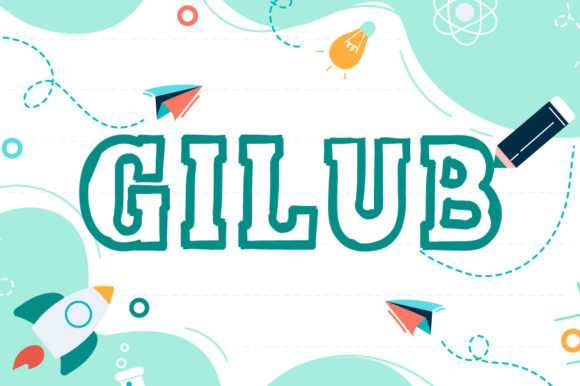
Gilub is a cool, bold, and outlined display font that adds a unique touch to web designs, business cards, and other digital projects. Its clean lines and striking presence make it ideal for creating visual impact without sacrificing clarity.
As a web designer, I often look for fonts that can elevate a design while maintaining readability across different screen sizes and backgrounds. Gilub fits this need perfectly. Its outlined structure gives it a modern feel, making it suitable for headers, logos, and decorative elements in digital layouts.
The font’s personality is both confident and versatile. It works well in branding, especially when you want to convey a sense of professionalism and creativity. Whether used for a creative portfolio or an online store banner, Gilub adds a layer of sophistication that stands out.
Using Gilub in Web Design
Gilub shines in hero sections, call-to-action buttons, and landing page headers. Its bold strokes ensure visibility even at smaller sizes, making it effective for mobile-first designs. When used in short phrases or as a logo text, it commands attention without overwhelming the viewer.
In a boutique online store, for example, Gilub can be used for product titles or promotional banners. The font’s outline style allows it to stand out against background images or solid colors, enhancing the overall visual hierarchy. This makes it a great choice for e-commerce sites looking to create a memorable brand identity.
For a coaching website, Gilub can be used in section headings to draw attention to key messages. Its strong presence helps guide users through the content, improving scanning behavior and engagement. Pairing it with a simple sans serif font for body copy ensures a balanced and readable layout.
Readability and Visual Hierarchy
While Gilub is a display font, it maintains good legibility at larger sizes. This makes it suitable for headlines, banners, and other prominent design elements. However, it’s best avoided for long paragraphs of text due to its decorative nature.
On mobile screens, Gilub performs well when used in large sizes and high-contrast settings. For small buttons or text overlays, consider using a lighter weight or adjusting the spacing to maintain clarity. On dark backgrounds, the outlined style helps the font pop, while on light backgrounds, it remains visible without being too harsh.
When used in image overlays, Gilub benefits from a subtle drop shadow or background mask to ensure it doesn’t blend into the underlying content. This technique enhances its readability and keeps the focus on the message it conveys.
Font Pairing and Brand Identity
Gilub pairs well with simpler typefaces to create a cohesive design language. For instance, combining it with a clean sans serif like Open Sans or Lato can balance its boldness with a more approachable tone. This pairing works well for blogs, landing pages, and SaaS websites where clarity and style are both important.
For editorial designs or content-heavy websites, pairing Gilub with a serif font like Georgia or Playfair Display can add a refined touch. This combination is ideal for storytelling, magazine-style layouts, or course sales pages where a professional yet engaging tone is needed.
When building a brand identity, Gilub can serve as the primary font for logos, headers, and key visual elements. Its versatility allows it to adapt to different media, from social media graphics to packaging design, ensuring a consistent look across all touchpoints.
Practical Considerations for Web Use
Before integrating Gilub into a project, check the available styles, file formats, and webfont options. Ensure that the font includes multiple weights and alternates for flexibility in design. Multilingual support is also important if the site serves a global audience.
Commercial licensing is another factor to consider. Make sure the font is properly licensed for use on websites, client projects, online stores, and digital templates. This avoids legal issues and ensures compliance with font usage policies.
For designers working on digital products, Gilub offers a powerful tool for creating visually compelling experiences. Whether used in a creative portfolio, a product landing page, or a blog header, it brings a fresh and distinctive look to any web project.
Its ability to enhance visual hierarchy, reinforce brand tone, and drive user engagement makes Gilub a valuable addition to any designer’s toolkit. With thoughtful application, it can transform a basic layout into a standout digital experience.